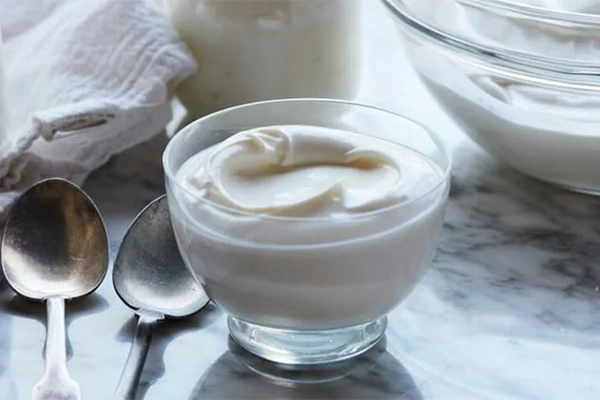
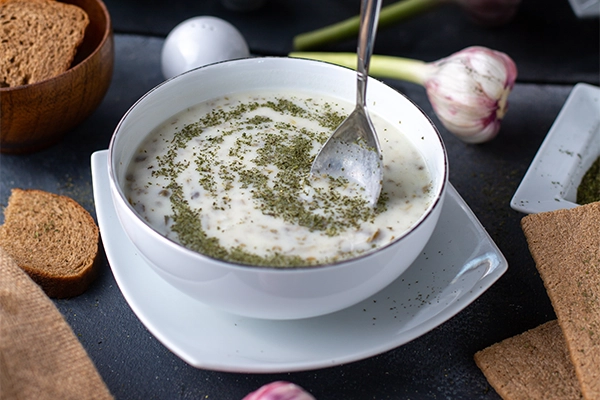
Making yogurt at home is a simple and healthy way to have delicious yogurt without additives. In this article, we will teach you the complete for yogurt recipe and homemade yogurt homemade yogurt recipe.
Ingredients for Homemade Yogurt Recipe
– A liter of fresh milk (preferably full-fat)
– Two tablespoons of fresh yogurt (as a yogurt starter)
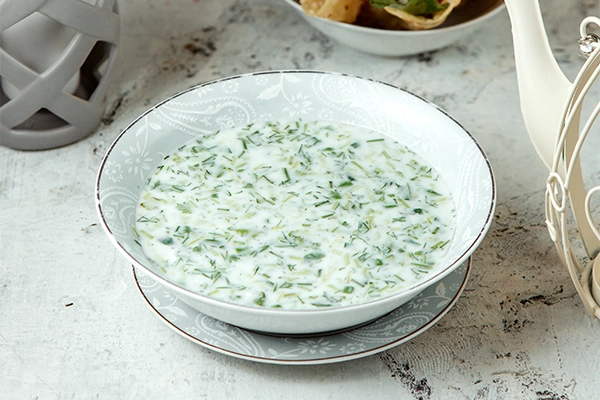
Homemade Yogurt Recipe
1. Boiling the milk:
Put the milk in a saucepan and set it over medium heat. Warm it to a temperature near boiling (around 85-90 degrees Celsius). This will improve the texture of the yogurt.
2. Cooling the milk:
Remove the milk from heat after boiling and let its temperature drop to a range of about 43-45 degrees Celsius. The yogurt starter bacteria will be killed if it is too hot.
3. Adding yogurt starter:
Take two tablespoons of yogurt and mix it with a little lukewarm milk and add to all the milk. Mix thoroughly to distribute the starter well.
4. Storing in a warm place:
Cover the container with a lid and put it in a warm place (around 40-45 degrees Celsius). You can wrap the container in a towel and put it inside an oven that has been switched off but is still warm. Let it stand for 6 to 8 hours for the yogurt to set.
5. Cooling and storing:
After you prepare the yogurt, refrigerate it and allow it to have a minimum of 4 hours to achieve a good texture. Your homemade yogurt is now ready for consumption!
Important Tips
– To make it more flavorful, local milk or full-cream milk can be used.
– The yogurt starter should be fresh and contain active bacteria.
– Fermentation time is based on the surrounding temperature; the higher the temperature, the sooner the yogurt is prepared.
Follow these tips and prepare tasty and healthy yogurt at home. Give it a try and relish the wonderful taste of homemade yogurt!
How to select the appropriate milk to make yogurt?
The appropriate selection of milk is also extremely crucial for high-quality homemade yogurt. The milk must be fresh and full-fat to use in the yogurt-making process so that it turns out to be thick as well as creamy in nature. Other than that, in How to make homemade yogurt homemade yogurt recipe, it is preferable to use pasteurized milk over raw milk since it avoids the risks of microbial contamination. In case you wish to make yogurt at home with a more natural flavor, you may use locally boiled milk.
Common mistakes in making homemade yogurt
In Yogurt recipe, the following key points can be helpful in order to prepare good yogurt. There are some common mistakes which can render your yogurt loose, sour, or watery. Here are some of them and prevention:
1. Using wrong milk
When preparing home yogurt, low-fat milk or milk with additives will lower the quality of the yogurt. It is preferable to use fresh and full-fat milk.
2. The milk is too cold or hot when using the yogurt starter
If the milk is too hot, the bacteria in the yogurt starter will be killed, and if it is too cold, the fermentation process will not be effective. The ideal temperature to combine the yogurt starter is at 43-45 degrees Celsius.
3. Wrong yogurt starter
For your yogurt recipe, use fresh yogurt starter that contains no preservatives. Aged or inactive yogurt starter will cause the yogurt to not set.
4. Over-mixing of milk after the addition of yogurt starter
You should mix gently after adding the yogurt starter. Over-mixing will destroy the texture of the yogurt and result in loose and watery yogurt.
5. Incorrect temperature of fermentation
Too cold or warm an environment can slow down the process of fermentation. Ideal temperature for fermentation is 40-45 degrees Celsius. In order to keep this temperature, wrap the container of yogurt in a towel and place it in a warm place.
6. Shaking the container of yogurt during fermentation
While making yogurt at home, when the container of yogurt is shaken while it is fermenting, the yogurt will not seal properly. So, place the container in a fixed position.
If you keep these tips in mind, you can avoid making common mistakes and make delicious and thick homemade yogurt.
How to flavor homemade yogurt?
After having prepared a tasty homemade yogurt using the Yogurt recipe, you may flavor it in various ways. In How to make homemade yogurt homemade yogurt recipe adding natural ingredients to yogurt renders it tastier and varies its flavor. The following are some easy ways to make yogurt recipes with various flavors:
1. Flavoring with fresh or dried fruits
Mixing fruits like bananas, strawberries, raspberries, mangoes or dried figs with yogurt makes it sweet and filling. It can either be chopped and mixed with the yogurt or blended and mixed.
2. Mixing honey or natural juice
In sweetening homemade yogurt, honey, date syrup, or grape juice is a more healthy option than sugar. Not only do they impart the desired taste to yogurt, but they also enhance the nutritional value of yogurt.
3. Incorporating nuts and seeds
Nuts like walnuts, almonds, pistachios, and seeds like chia seeds or flax seeds can be mixed into yogurt to not just flavor it but also render it more interesting in terms of texture.
4. Spicing
When it comes to yogurt recipes, incorporating spices like cinnamon, cardamom, vanilla, or saffron can give yogurt a unique and special taste. Such spices are particularly apt for sweet yogurt.
5. Preparing salty flavored yogurt
In case you are fond of salty tastes, you can mix some salt with yogurt and flavor it with herbs like mint, dill, or oregano. Further, adding crushed garlic and cucumber also makes yogurt a tasty condiment for various foods.
Using these techniques, you can prepare your own homemade yogurt with healthy and innovative flavors and relish it!
Storage time and storage condition of home-made yogurt
Once you have used the Yogurt recipe to prepare homemade yogurt, store it in a manner that will keep the yogurt fresh for longer and will not compromise on its quality. In How to make homemade yogurt homemade yogurt recipe the storage method plays a significant role when it comes to the taste, texture and healthiness of the yogurt. Some tips on the yogurt recipe and storing it are given below.
Storage duration of homemade yogurt
Homemade yogurt is usually kept in the fridge for 7 to 10 days. As time passes, the flavor of yogurt can become sour because of the natural process of the good bacteria in it. It should be used within one week so that its quality does not get impacted.
Suitable conditions for keeping homemade yogurt
1. Refrigeration storage:
After you have prepared yogurt at home, you need to put it in the refrigerator right away. The best temperature to keep yogurt is 2 to 5 degrees Celsius.
2. Putting in a lid container:
To avoid the absorption of other odors and to keep it fresh, keep yogurt in an airtight container with a lid. A glass or plastic container with a good lid is ideal.
3. Avoiding contamination of yogurt
Spoon out yogurt with a clean and dry spoon so that bacteria and contamination can’t be added to the container. This will keep yogurt fresh for a longer time.
4. Not keeping yogurt at room temperature
When yogurt is kept at room temperature for an extended period, it can sour and spoil quickly. Thus, after consumption, keep the leftover yogurt in the fridge right away.
5. Yogurt Water Separation
After a few days of storage, some water may collect on the surface of the yogurt, which is normal. You can blend it and mix it with the yogurt again or strain it and utilize it for doogh making.

Store Your Yogurt Starter
If you’d like to reserve some of the homemade yogurt as a starter for Making homemade yogurt at home in the future, it’s best to separate a small container of fresh yogurt during the first week and store it in the refrigerator for preserving its quality and fermentation ability.
By following these tips, you can ensure the highest quality of your home-made yogurt and for a longer period of time too.
Conclusion
In this post, we elaborated on the Yogurt recipe in detail and learned how to make healthy, delicious, and additive-free yogurt at home. From the choosing of milk to taking note of key points in the fermentation process, all these steps play their part in the ultimate quality of yogurt. We also learned how to make yogurt at home, flavoring it, storage conditions, and preventing general mistakes. By adhering to these instructions, you can prepare yogurt with the preferred natural texture and flavor and reap its distinctive benefits. Give it a try and relish the flavor of homemade yogurt!