
Legumes are one of the most important sources of vegetable protein that play an important role in the diet of many people in the world. In this article, we introduce 20 types of legumes, each of which has unique characteristics.
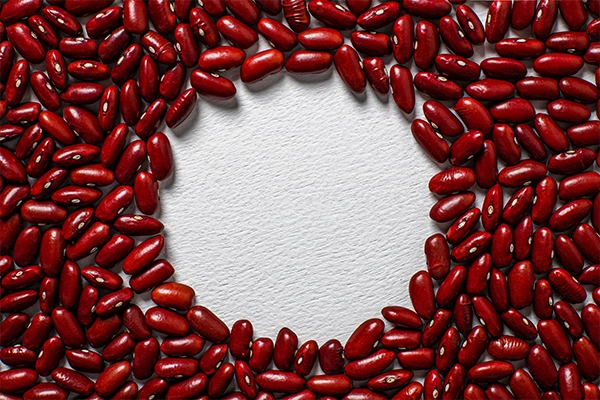
Red beans
This types of beans has a dark red color and a kidney shape. It has an earthy taste and a soft texture.
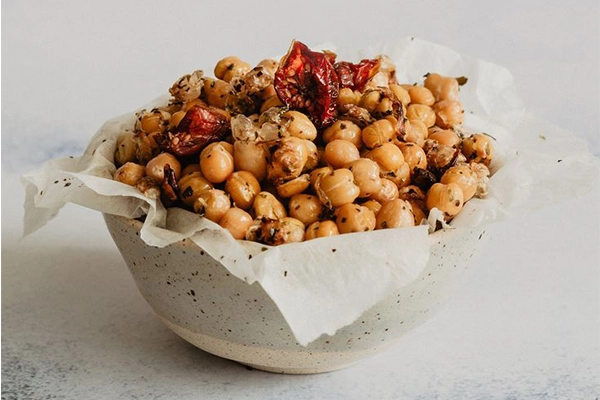
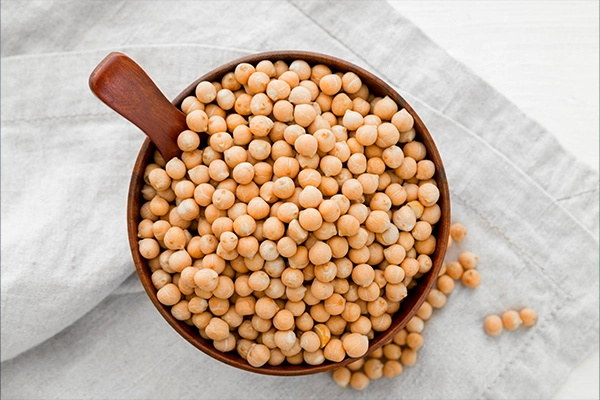
Chickpeas
Round and cream-colored legumes with a sweet and creamy taste that are used in many Middle Eastern dishes.
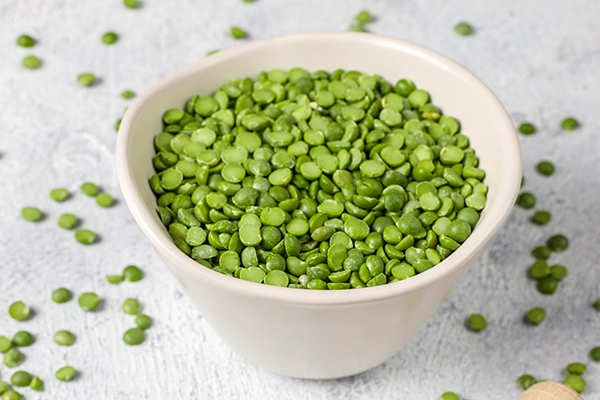
Green lentils
small green types of bean that have a spicy and earthy taste and are popular in soups.
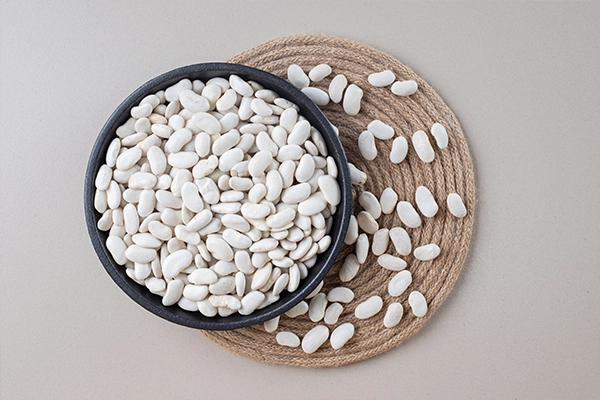
White Beans
Beans with a creamy white color and an oval shape that has a soft and buttery texture.
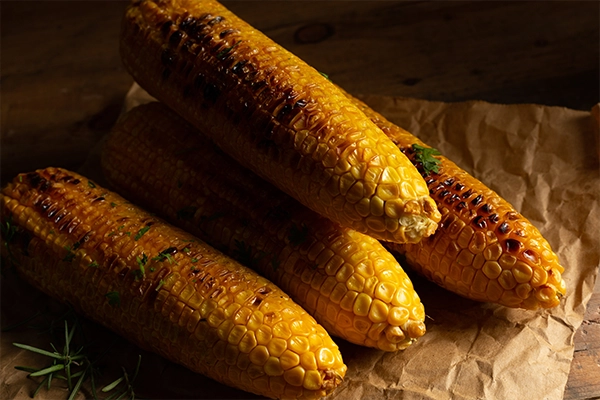
Cob
A types of bean yellow and hemispherical legume that is prepared from chickpeas and is used in stews.
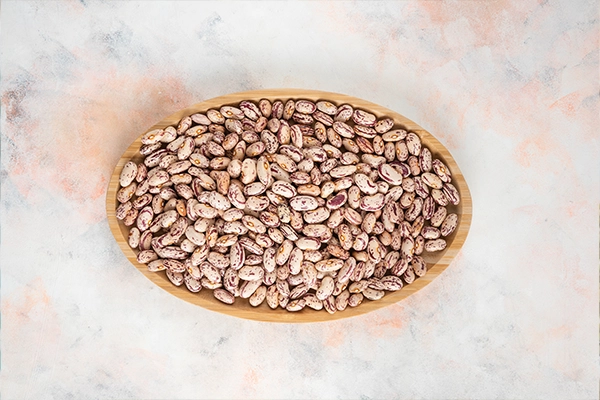
Pinto beans
beans with cream color and brown spots that have a mild and sweet taste.
Mung bean
a small green legume with a sweet taste that is also used in sprouting.
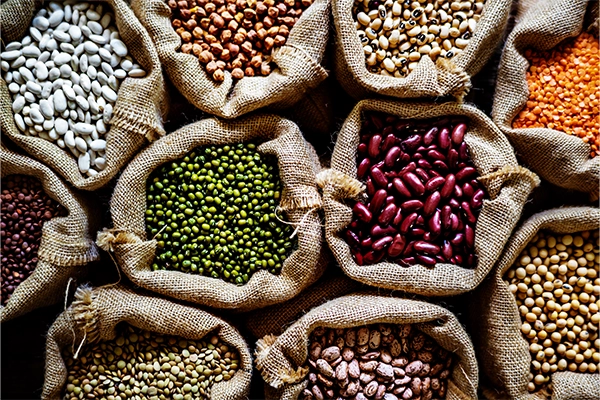
Beans
large and broad gray-green seeds that have a strong and earthy taste.
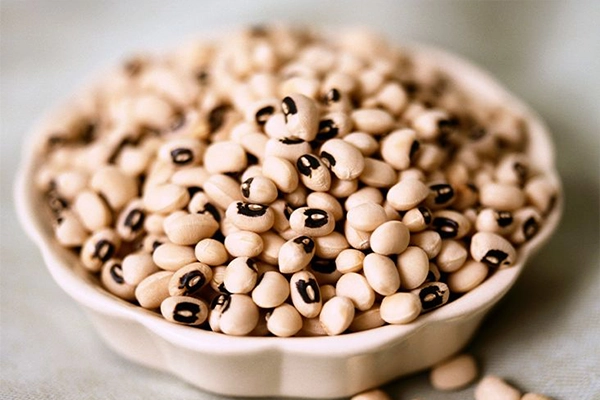
Cowpea
a types of bean cream-colored legume with a black “eye” that has a sweet taste and a soft texture.
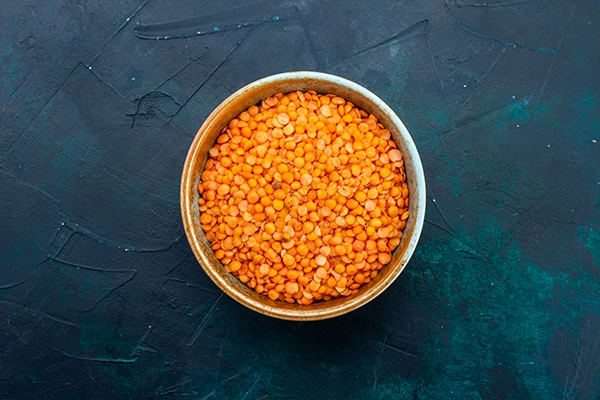
Red lentils
orange-red lentils that turn yellow after cooking and have a sweet taste.
Black beans
A bean with a shiny black skin and white flesh that is common in Mexican cuisine.
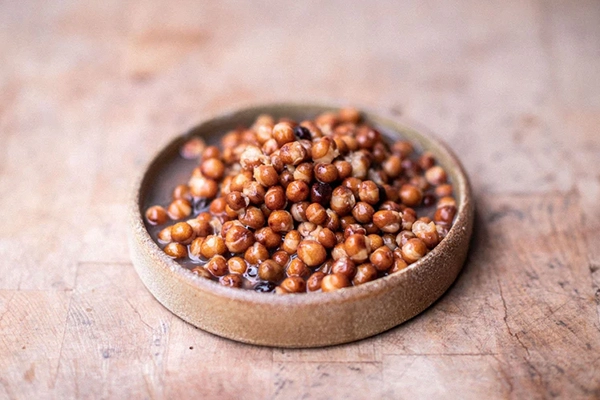
Black-eyed peas
A type of dark-skinned pea that has a stronger flavor than regular peas.
Pinto beans
A light pink bean with brown spots used in Mexican cuisine.
Soybean
A types of bean yellow or light brown legume that is rich in protein and has a variety of uses.
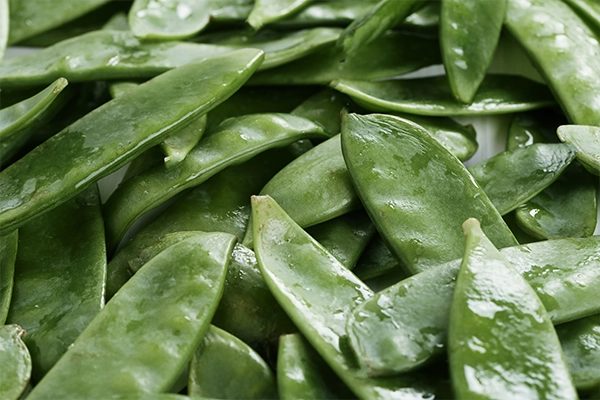
Lima beans
broad and creamy-white beans with a buttery taste and soft texture.
Azuki beans
A small, dark red bean that is popular in East Asian cooking.
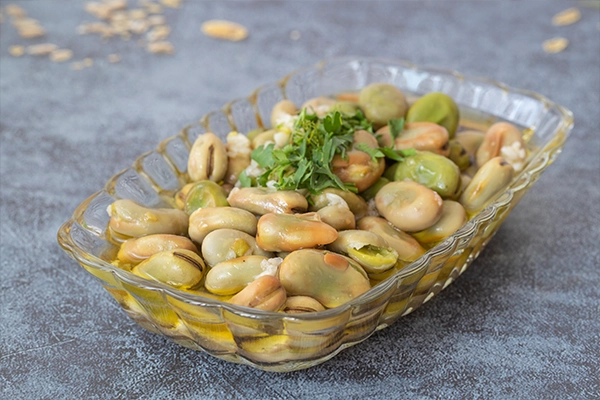
Fava
A type of bean with large, green seeds that has a sweet taste and a floury texture.
Mung Beans
Small green beans used to make glass noodles in Asian cooking.

Cannellini Beans
Small white beans with a mild flavor that are common in Italian cuisine.
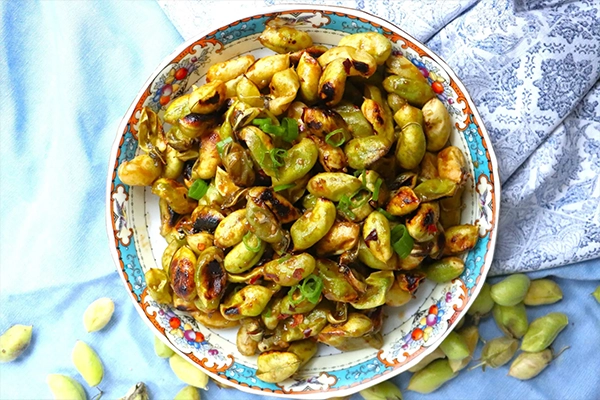
Garvanzo
Another name for chickpeas, which are creamy in color and round in shape, and are used in the preparation of hummus.
Nutritional value and application of different types of Beans
1. Red beans:
– Nutritional value: rich in iron, fiber and protein
– Application: in stews, salads and chili
– Cooking time: about 1 to 1.5 hours
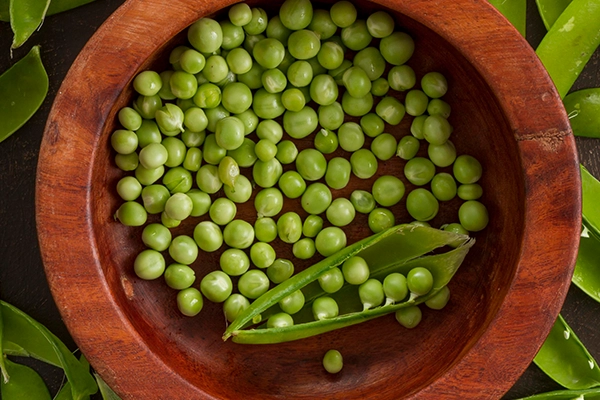
2. Peas:
– Nutritional value: rich in fiber, protein and magnesium
– Application: in falafel, hummus and stews
– Cooking time: about 1 to 2 hours
3. Green lentils:
– Nutritional value: good source of iron, folate and protein
– Application: in soups, feeds and salads
– Cooking time: 20 to 30 minutes
4. White beans:
– Nutritional value: contains potassium, calcium and vitamin B
– Application: in stews, soups and purees
– Cooking time: about 1 to 1.5 hours
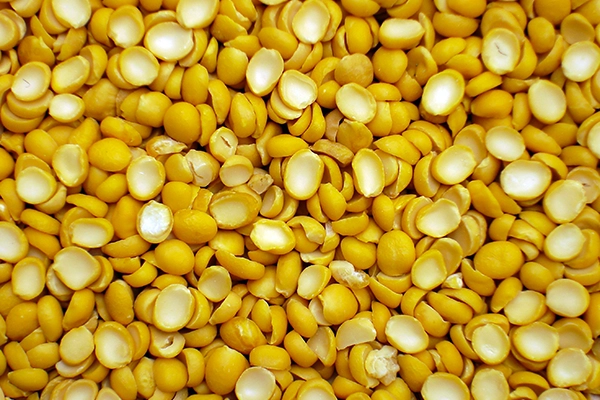
5. Cotyledons:
– Nutritional value: rich in fiber, protein and manganese
– Application: in soup, stew and meatballs
– Cooking time: about 1 hour
6. Pinto beans:
– Nutritional value: good source of fiber, protein and iron
– Application: in bean stew, salad and soup
– Cooking time: about 1 to 1.5 hours
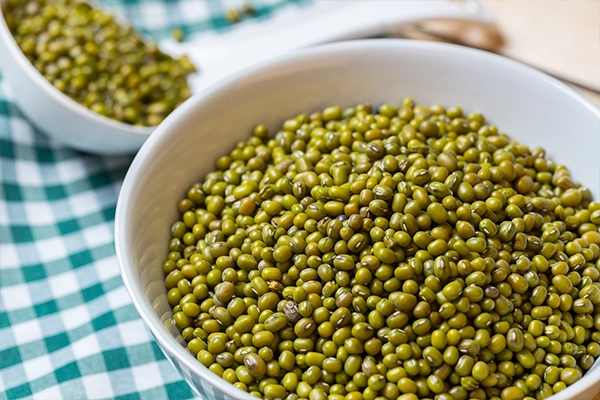
7. Mash:
– Nutritional value: rich in protein, fiber and vitamin B
– Application: in sprouts, soup and dal
– Cooking time: 20 to 30 minutes
8. Beans:
– Nutritional value: rich in fiber, protein and folate
– Application: in beans, pilaf, stew and puree
– Cooking time: about 30 to 40 minutes (fresh), 1 to 1.5 hours (dry)
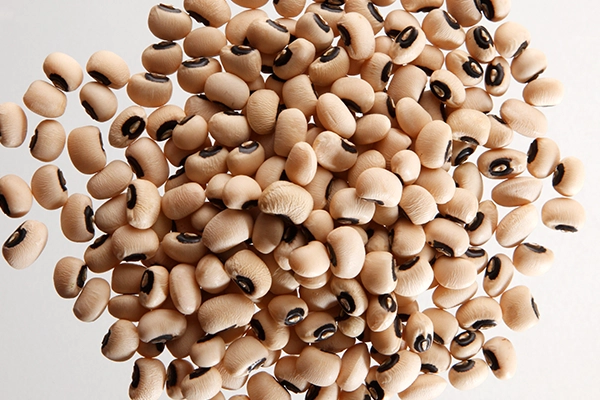
9. Cowpeas:
– Nutritional value: contains folate, iron and protein
– Application: in stews, salads and soups
– Cooking time: about 45 minutes to 1 hour
10. Red lentils:
– Nutritional value: good source of iron, fiber and protein
– Application: in soups, feeds and dal
– Cooking time: 15 to 20 minutes
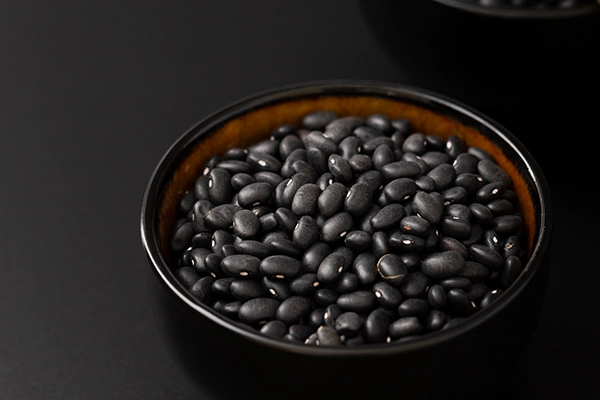
11. Black beans:
– Nutritional value: rich in antioxidants, fiber and protein
– Application: in Mexican food, soups and burgers
– Cooking time: about 1 to 1.5 hours
12. Black peas:
– Nutritional value: rich in fiber, protein and iron
– Application: in stews, salads and curries
– Cooking time: about 1 to 2 hours
13. Pinto beans:
– Nutritional value: contains folate, manganese and protein
– Application: in burritos, chili and soups
– Cooking time: about 1 to 1.5 hours
14. Soya:
– Nutritional value: rich in protein, iron and calcium
– Application: in soy milk, tofu and soy sauce
– Cooking time: about 2 to 3 hours
15. Lima beans:
– Nutritional value: good source of potassium, magnesium and iron
– Application: in soups, stews and salads
– Cooking time: about 45 minutes to 1 hour
16. Azuki beans:
– Nutritional value: rich in fiber, protein and potassium
– Application: in desserts, soups and sweet dough
– Cooking time: about 45 minutes to 1 hour
17. Fava:
– Nutritional value: rich in protein, fiber and manganese
– Application: in puree, soups and salads
– Cooking time: about 30 to 40 minutes
18. Mung beans:
– Nutritional value: contains protein, fiber and vitamin C
– Application: in sprouts, glass strings and desserts
– Cooking time: about 45 minutes to 1 hour
19. Cannellini beans:
– Nutritional value: good source of fiber, iron and protein
– Application: in minestrone, pasta and salads
– Cooking time: about 45 minutes to 1 hour
20. Garvanzo (peas):
– Nutritional value: rich in fiber, protein and folate
– Application: in hummus, falafel and salads
– Cooking time: about 1 to 2 hours
Different types of beans in Arab countries
1. Chickpeas (Hums): one of the most consumed types of legumes in Kuwait and other Arab countries
2. Lentils: It is used in different types such as red, green and black lentils
3. White beans: It is used in stews and traditional Kuwaiti dishes
4. Beans (full): Popular in Kuwaiti breakfast and snacks
5. Red beans (Lobia Hamra): used in Kuwaiti stews and salads
6. Lepeh (Majorosh hummus): It is used in traditional Kuwaiti dishes such as meatballs
7. Mash (mash): It is used in Kuwaiti soups and stews
8. Black-eyed beans (Lobia Ain Al Jamal): It is used in some Kuwaiti dishes
9. Black chickpeas (hummus aswad): used in some traditional Kuwaiti dishes
10. Green beans (green beans): It is used in Kuwaiti stews and salads
Arabian foods with beans
– Broth (a type of stew)
– Ish and full (bread and beans)
– Mujadrah (combination of lentils and rice)
– Hummus (pea paste)
– Falafel
– Foul Medames (cooked beans)
– Lentil soup
These types of bean legumes are very popular not only in Kuwait, but also throughout the Arab world, including Saudi Arabia, the United Arab Emirates, Egypt and Lebanon, and they form an important part of people’s daily diet.
Buying all types of beans from Faraz Hypermarket
Faraz Hypermarket is one of the reliable shopping centers that offers a wide range of beans to its customers. Offering high-quality products at reasonable prices, this store is an ideal place to get the beans you need for your kitchen.
In Faraz Hypermarket’s bean section, you can find different types of beans, including:
1. Red beans
2. Peas
3. Lentils (in different types such as green, red and black)
4. White beans
5. Cotyledon
6. Pinto beans
7. Mash
8. Beans
9. Red kidney beans
10. Soya
Conclusion
This article introduces and reviews the types of bean legumes. We featured 20 different types of legumes, from kidney beans and chickpeas to lesser-known varieties like azuki beans and fava beans. Each of these legumes has its own unique nutritional value, taste and uses. Also, we mentioned the importance of beans in the cooking of Arab countries, especially Kuwait. Finally, guidance was provided for buying beans from hypermarkets. This information will help readers make more informed choices about consuming and purchasing legumes and reaping the benefits of these rich sources of protein and fiber in their diet.